Ketamine Treatment Antelope CA: A Comprehensive Guide to Depression Care
Depression can affect nearly every aspect of daily life, from relationships and work to sleep, motivation, and emotional well-being. While many people improve with traditional antidepressants and psychotherapy, others continue to experience symptoms despite trying different treatment options. For these individuals, exploring advanced mental health care may be an important step toward finding relief.
Ketamine treatment in Antelope CA is a topic of growing interest among people looking for additional options for persistent or treatment-resistant depression. Ketamine-based treatments have received attention for their potential to improve depressive symptoms in some patients, sometimes more quickly than conventional antidepressants.
At iPsychiatry, we recognize that every patient’s mental health needs are different. Understanding how ketamine treatment works, who may be eligible, what the treatment process involves, and which safety considerations matter can help you have a more informed conversation with a qualified psychiatric provider.
In this comprehensive guide, we explore ketamine treatment for depression, its potential benefits and limitations, the importance of professional supervision, and how residents of Antelope, California, can explore psychiatric care through iPsychiatry.
What Is Ketamine Treatment?
Ketamine is a medication originally developed for use as an anesthetic. Researchers have also studied its effects on mood and depressive symptoms, particularly among adults who have not experienced sufficient improvement with standard depression treatments.
Unlike many traditional antidepressants, which primarily affect serotonin, norepinephrine, or other neurotransmitter systems, ketamine acts on the brain’s glutamate system. Glutamate is involved in communication between nerve cells and plays a role in learning, memory, and neural plasticity.
Research suggests that ketamine may influence pathways associated with mood regulation. Some patients experience improvements in depressive symptoms relatively quickly, although responses differ significantly between individuals.
When exploring ketamine treatment in Antelope CA, it is important to understand that ketamine is not a guaranteed solution for depression. It is a specialized treatment that requires appropriate clinical assessment, careful consideration of risks, and ongoing follow-up.
Ketamine and Esketamine: Understanding the Difference
The terms ketamine and esketamine are sometimes used interchangeably in online discussions, but they refer to different medications and treatment considerations.
Ketamine is FDA-approved as an anesthetic. Its use for psychiatric conditions such as depression is considered off-label, meaning the psychiatric use has not itself been approved by the FDA.
Esketamine, sold under the brand name Spravato, is a related medication approved for specific depressive conditions under defined prescribing requirements. It is administered as a nasal spray in a certified healthcare setting, with mandatory monitoring.
Understanding this distinction can help patients ask more informed questions when discussing treatment options with their psychiatric provider.
Why Are People Exploring Ketamine Treatment for Depression?
Depression does not affect everyone in the same way. Some people respond well to their first treatment, while others need multiple medication trials, psychotherapy, or a combination of approaches before experiencing meaningful improvement.
For people whose symptoms persist despite appropriate treatment, a clinician may consider additional options.
Ketamine-based treatment has attracted attention because some studies have found relatively rapid improvements in depressive symptoms among certain patients with treatment-resistant depression.
However, not everyone responds, and symptom improvement may be temporary. Treatment decisions should be based on an individual’s clinical history, treatment goals, medical circumstances, and the available evidence.
People researching ketamine treatment in Antelope CA may wish to speak with a psychiatric professional if depression continues to interfere with their quality of life despite previous treatment.
What Is Treatment-Resistant Depression?
Treatment-resistant depression generally describes depression that has not improved sufficiently after appropriate treatment attempts. The exact definition may vary depending on clinical guidelines and individual circumstances.
For example, a clinician may evaluate whether a patient has tried at least two antidepressant treatments at adequate doses and durations without sufficient improvement.
Treatment resistance does not mean that recovery is impossible. It may mean that the current treatment plan needs to be reassessed or that additional treatment approaches should be considered.
A comprehensive psychiatric evaluation can help identify factors that may contribute to persistent symptoms, including:
An underlying mental health condition that needs further assessment.
Medication side effects or difficulties following a treatment plan.
Coexisting anxiety, trauma-related symptoms, or other psychiatric concerns.
Sleep problems, substance use, or medical conditions that affect mood.
The need for a different medication, psychotherapy approach, or combination of treatments.
Ketamine-based treatment may be one option for selected patients, but other evidence-based treatments may also be appropriate. A qualified psychiatric provider can help determine which options best fit the patient’s circumstances.
Who May Be a Candidate for Ketamine Treatment in Antelope CA?
Eligibility depends on the specific medication, administration method, medical history, and reason for treatment. Ketamine-based approaches are commonly discussed for adults experiencing treatment-resistant depression, although suitability must be assessed individually.
A psychiatric provider may consider factors such as:
The severity and duration of depressive symptoms.
Previous antidepressant medications and other treatments.
The extent to which depression affects daily functioning.
Current medications and relevant medical conditions.
Blood pressure and cardiovascular health.
A history of substance misuse or other factors that may affect safety.
Previous responses to mental health treatment.
A provider may also discuss alternative treatment options if ketamine is not appropriate.
If you are researching ketamine treatment in Antelope CA, avoid assuming that a diagnosis of depression automatically makes you eligible. A professional assessment is necessary to evaluate potential benefits, risks, and alternatives.
Potential Benefits of Ketamine-Based Treatment
Ketamine-based treatments have become an important area of psychiatric research because some patients experience changes in depressive symptoms sooner than they might with conventional antidepressants.
Potential benefits for appropriate candidates may include the following.
1. Potentially Faster Symptom Improvement
Some patients experience changes in depressive symptoms within hours or days of treatment. This is one reason ketamine has attracted attention in the treatment of severe or persistent depression.
However, the timing and degree of improvement vary. Some patients experience limited benefits, while others may not respond.
2. An Additional Option After Previous Treatments
People who have tried several conventional treatments without adequate improvement may wish to discuss additional options with their psychiatrist.
Depending on the clinical circumstances, ketamine-based treatment may be considered alongside other evidence-based approaches.
3. Individualized Psychiatric Care
A treatment plan should reflect each patient’s symptoms, medical history, preferences, and goals. Ketamine treatment may be considered as part of a broader plan that includes medication management, psychotherapy, and continued clinical assessment.
4. Continued Assessment of Treatment Response
Follow-up appointments allow providers to evaluate whether symptoms are improving, whether side effects are occurring, and whether the treatment plan needs adjustment.
It is important to remember that potential benefits are not guaranteed. Ketamine treatment should not be promoted as a cure for depression or as a replacement for every other treatment approach.
How Does Ketamine Affect the Brain?
Ketamine interacts with NMDA receptors, which are involved in the brain’s glutamate signaling system. Researchers are investigating how these effects may influence communication between neurons and processes associated with neural plasticity.
Neural plasticity refers to the brain’s ability to adapt and change connections between nerve cells. Changes in these pathways may play a role in the antidepressant effects observed in some patients.
Although research has improved our understanding of ketamine, many questions remain about how its effects vary among individuals and how best to maintain symptom improvement over time.
This is why treatment should involve professional oversight rather than relying on online claims or unverified treatment advice.
What to Expect During a Ketamine Treatment Evaluation
Starting a specialized mental health treatment can raise many questions. Knowing what to expect during an evaluation can help you prepare for a discussion with your psychiatric provider.
Step 1: Initial Psychiatric Consultation
The first step typically involves reviewing your mental health history and current symptoms. Your provider may ask about mood changes, sleep, appetite, energy, concentration, previous diagnoses, and the impact of depression on daily life.
You may also be asked about medications you have taken, how long you used them, and whether they provided relief.
This information helps the clinician understand your treatment history and determine whether further assessment is needed.
Step 2: Medical History and Safety Screening
A thorough evaluation considers both mental and physical health. Your provider may review blood pressure, cardiovascular concerns, current medications, substance use history, and other factors that could affect treatment safety.
Certain medical conditions or medication interactions may make some treatments inappropriate or require additional precautions.
Patients should share accurate information about their health and medications so their provider can make an informed recommendation.
Step 3: Discussion of Treatment Options
If ketamine-based treatment may be appropriate, your provider should explain the proposed approach, potential benefits, limitations, side effects, and monitoring requirements.
You should also have an opportunity to ask about alternative treatments, expected costs, insurance coverage, and follow-up arrangements.
A responsible treatment decision involves understanding both the possible advantages and the uncertainties.
Step 4: Treatment Planning and Follow-Up
If treatment is recommended, the provider will explain the next steps and how progress will be assessed.
Follow-up may involve reviewing depressive symptoms, discussing side effects, and determining whether the treatment is providing meaningful benefit.
The specific process varies according to the medication and delivery method.
Is Ketamine Treatment Safe?
Safety is an essential part of any discussion about ketamine treatment in Antelope CA.
Ketamine and esketamine can cause side effects, and the risks depend on the medication, dose, administration method, medical history, and treatment setting.
Possible side effects include:
Dizziness or nausea.
Drowsiness or sedation.
Temporary increases in blood pressure.
Changes in perception or a feeling of disconnection from the surroundings.
Anxiety or confusion during or after treatment.
Some side effects are temporary, but serious complications can occur. Ketamine also has potential for misuse and dependence, making appropriate medical oversight particularly important.
Why Medical Supervision Matters
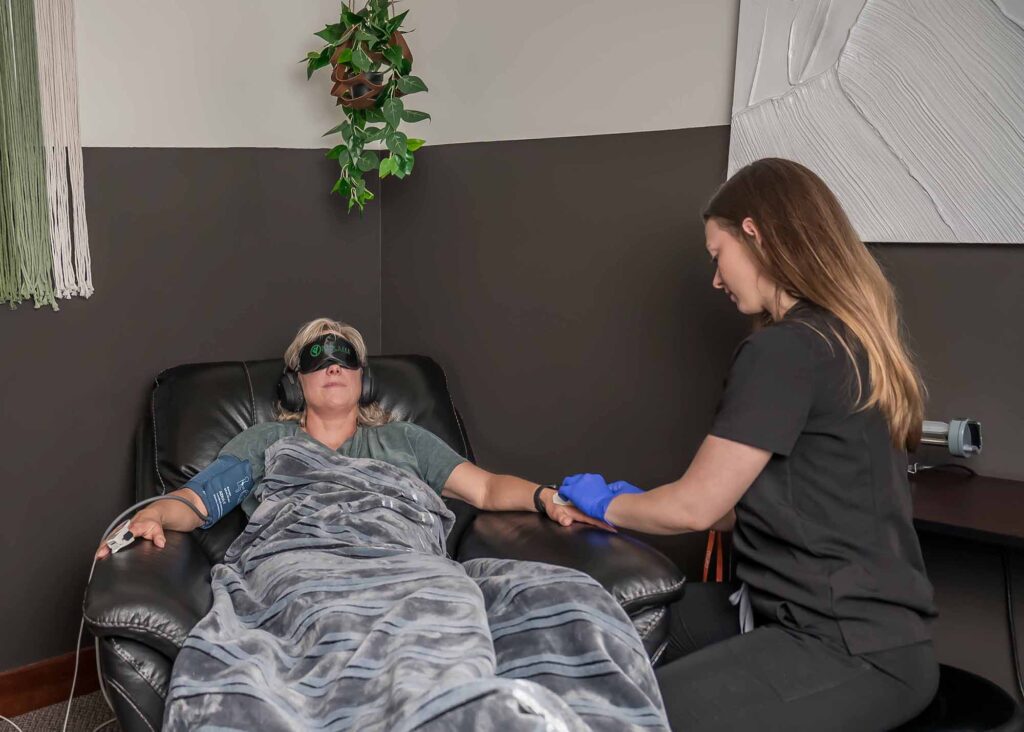
Medical supervision helps ensure that patients are appropriately assessed, that treatment is administered according to the applicable clinical requirements, and that adverse effects can be recognized and managed.
FDA-approved esketamine nasal spray has specific safety requirements. It must be administered under supervision in a certified healthcare setting, and patients must be monitored for at least two hours following each administration.
Patients receiving esketamine must also follow instructions about driving and other activities that require alertness. The prescribing clinician will explain when it is safe to resume those activities.
The rules for other ketamine treatment methods may differ. Patients should confirm the exact medication, delivery method, and monitoring plan with their provider.
For official information, consult the U.S. Food and Drug Administration’s guidance on depression medicines.
What Are the Alternatives to Ketamine Treatment?
Ketamine is only one of several approaches that may be considered for depression. The most appropriate treatment depends on symptom severity, previous treatment response, medical history, and personal preferences.
A psychiatric provider may discuss options such as:
Antidepressant Medication
Antidepressants are commonly used to treat depression. Different medications work through different mechanisms, and finding the right option may involve adjustments to the medication or dosage under medical supervision.
Psychotherapy
Psychotherapy, including cognitive behavioral therapy, can help people identify unhelpful thought patterns, develop coping strategies, and address emotional challenges.
Therapy may be used alone or alongside medication, depending on the individual’s needs.
Combined Treatment
Some patients benefit from a combination of psychotherapy and medication management. Combining approaches may address different aspects of depression and support ongoing recovery.
Other Specialized Treatments
For selected patients, clinicians may discuss other evidence-based approaches, including electroconvulsive therapy or transcranial magnetic stimulation.
Each option has its own indications, benefits, limitations, and risks. A qualified provider can help compare the choices and develop an individualized treatment plan.
How Can iPsychiatry Help Patients Near Antelope, California?
Finding appropriate mental health care can feel overwhelming, particularly when previous treatments have not provided enough relief.
iPsychiatry provides personalized psychiatric care, including medication management, psychotherapy-related services, telepsychiatry, and evaluation for advanced treatment options such as ketamine therapy.
Our practice is based in Sacramento, California, and offers telepsychiatry services across California for eligible patients. Individuals living in Antelope can explore available services and discuss their needs with the practice.
At iPsychiatry, care begins with understanding the patient rather than assuming that one treatment is right for everyone.
Our approach emphasizes:
Individualized assessment: Understanding symptoms, treatment history, and personal goals.
Professional guidance: Discussing suitable treatment options with qualified psychiatric providers.
Informed decisions: Helping patients understand potential benefits, risks, and alternatives.
Ongoing care: Supporting follow-up and reassessment as treatment progresses.
Accessible services: Offering psychiatric care options for eligible patients across California.
To learn more about available services, visit the iPsychiatry ketamine treatment page.
Treatment availability, eligibility, and the appropriate care setting depend on individual clinical circumstances.
How to Prepare for Your Psychiatric Appointment
If you are considering ketamine treatment in Antelope CA, preparing for your first appointment can help you get more value from the conversation.
Before your appointment, consider making a list of:
Your current symptoms and when they began.
Previous antidepressants and other treatments you have tried.
Any side effects or concerns you experienced with earlier treatments.
Current medications, supplements, and relevant medical conditions.
Questions about treatment safety, expected outcomes, and costs.
Your goals for improving mood, daily functioning, and quality of life.
You may also want to ask how treatment progress will be measured and what alternatives are available if the recommended approach does not provide enough benefit.
Being prepared can make it easier to understand your options and participate in decisions about your mental health care.
Frequently Asked Questions About Ketamine Treatment in Antelope CA
1. What is ketamine treatment used for?
Ketamine is an FDA-approved anesthetic that is also used off-label in some psychiatric settings. Ketamine-based treatment may be considered for certain patients with persistent or treatment-resistant depression following an appropriate clinical assessment.
2. How quickly can ketamine treatment improve depression?
Some patients experience changes in depressive symptoms within hours or days. However, individual responses vary, and some people may not experience meaningful improvement. A provider can explain what to expect based on the treatment being considered.
3. Is ketamine treatment suitable for everyone with depression?
No. Suitability depends on the patient’s diagnosis, treatment history, medical conditions, medications, and other safety considerations. A qualified provider must assess whether the potential benefits outweigh the risks.
4. Is ketamine the same as Spravato?
No. Spravato is the brand name for esketamine nasal spray, a medication related to ketamine. It has FDA-approved indications and specific administration and monitoring requirements. Ketamine used for psychiatric conditions is generally an off-label use.
5. Are there side effects associated with ketamine treatment?
Yes. Potential side effects include dizziness, nausea, sedation, changes in perception, and increased blood pressure. The specific risks depend on the medication and treatment method.
6. Can ketamine treatment replace antidepressants?
Not necessarily. Whether ketamine-based treatment is used alongside other medications or as part of a revised treatment plan depends on the clinical circumstances. Patients should never stop or change prescribed medications without consulting their clinician.
7. Is ketamine treatment available to residents of Antelope, CA?
iPsychiatry is based in Sacramento and offers telepsychiatry across California for eligible patients. Residents of Antelope can contact the practice to ask about current services, treatment eligibility, and whether an in-person or remote consultation is appropriate.
8. Does insurance cover ketamine treatment?
Coverage varies by insurer, treatment method, diagnosis, and provider. Some services may have different coverage requirements or out-of-pocket costs. Contact your insurer and iPsychiatry to discuss your specific situation.
9. How many treatment sessions are needed?
There is no single schedule that applies to every patient or every treatment method. The number and frequency of sessions depend on the medication, clinical response, and the provider’s recommendations.
10. What should I do if ketamine treatment is not appropriate for me?
Your provider can discuss alternative options, including medication adjustments, psychotherapy, combined treatment, or other specialized interventions. Not being a candidate for one treatment does not mean that other approaches cannot help.
Take the Next Step Toward Personalized Mental Health Care
Living with persistent depression can be exhausting, especially when previous treatments have not delivered the relief you hoped for. Learning about available options can help you begin a more informed conversation about your care.
For individuals exploring ketamine treatment in Antelope CA, a professional psychiatric evaluation is an important starting point. It can help determine whether ketamine-based treatment is appropriate or whether another evidence-based approach may better meet your needs.
iPsychiatry is committed to providing personalized psychiatric care and helping patients understand their treatment options. If you are in Antelope or elsewhere in California, you can explore our services and contact our team to discuss the next steps.
Visit iPsychiatry to learn more about our psychiatric services and appointment options.
Your mental health deserves thoughtful attention, individualized care, and decisions guided by qualified professionals.
Medical disclaimer: This article is for informational and educational purposes only. It does not replace professional medical advice, diagnosis, or treatment. Ketamine-based treatments have potential risks and may not be appropriate for every patient. Consult a qualified healthcare professional to discuss your individual circumstances. If you are experiencing a mental health emergency or are at immediate risk of harming yourself, call 911 in the United States or go to the nearest emergency department.